What Does the Land Ask of Us?
There is a question that walked beside our Year 8’s this term, quiet and persistent as a shadow at dusk: when a place has held us, fed us and sheltered us, what does it ask of us in return?
It is not a question to be answered at a desk. So we went out to meet it, with head, heart and hands.
Students began by learning to read the land as a living being, with a body, a breath and a memory. They traced the shape of its hills and the slow journey of water from sky to soil to stream. They learned how wounded places can be restored, and how every part of a landscape lives in conversation with every other: root and fungus, insect and bird, soil and rain. When one voice falls silent, the whole chorus changes.
Then the learning moved into the hands. At Rio Park, students built leaky weirs, humble arrangements of stone and branch that ask the water to slow down, linger and sink into the earth. They worked in mud and sunlight and the rhythm of shared effort, and watched a landscape begin to answer back. Water that once rushed away will now be invited to stay.
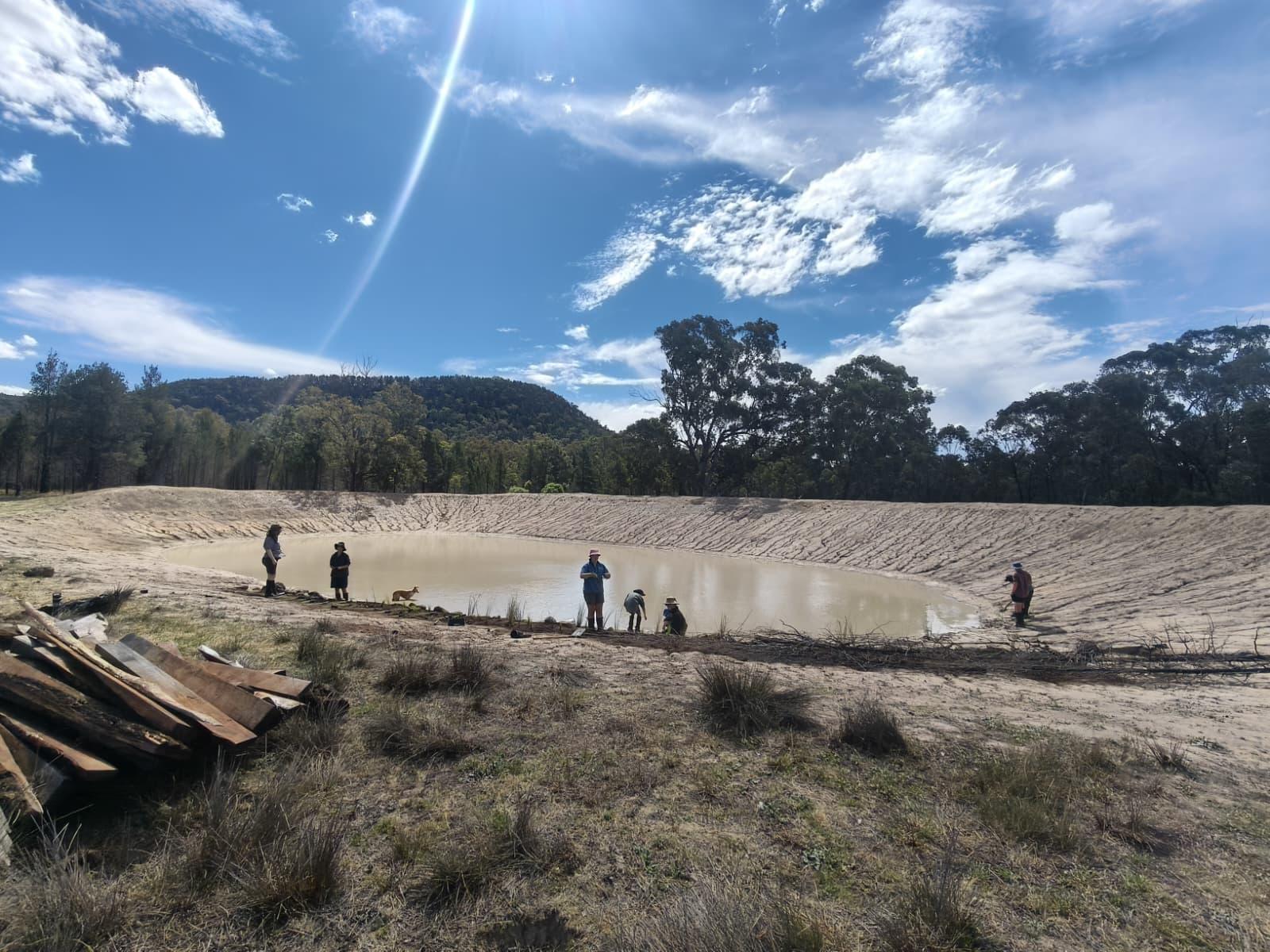
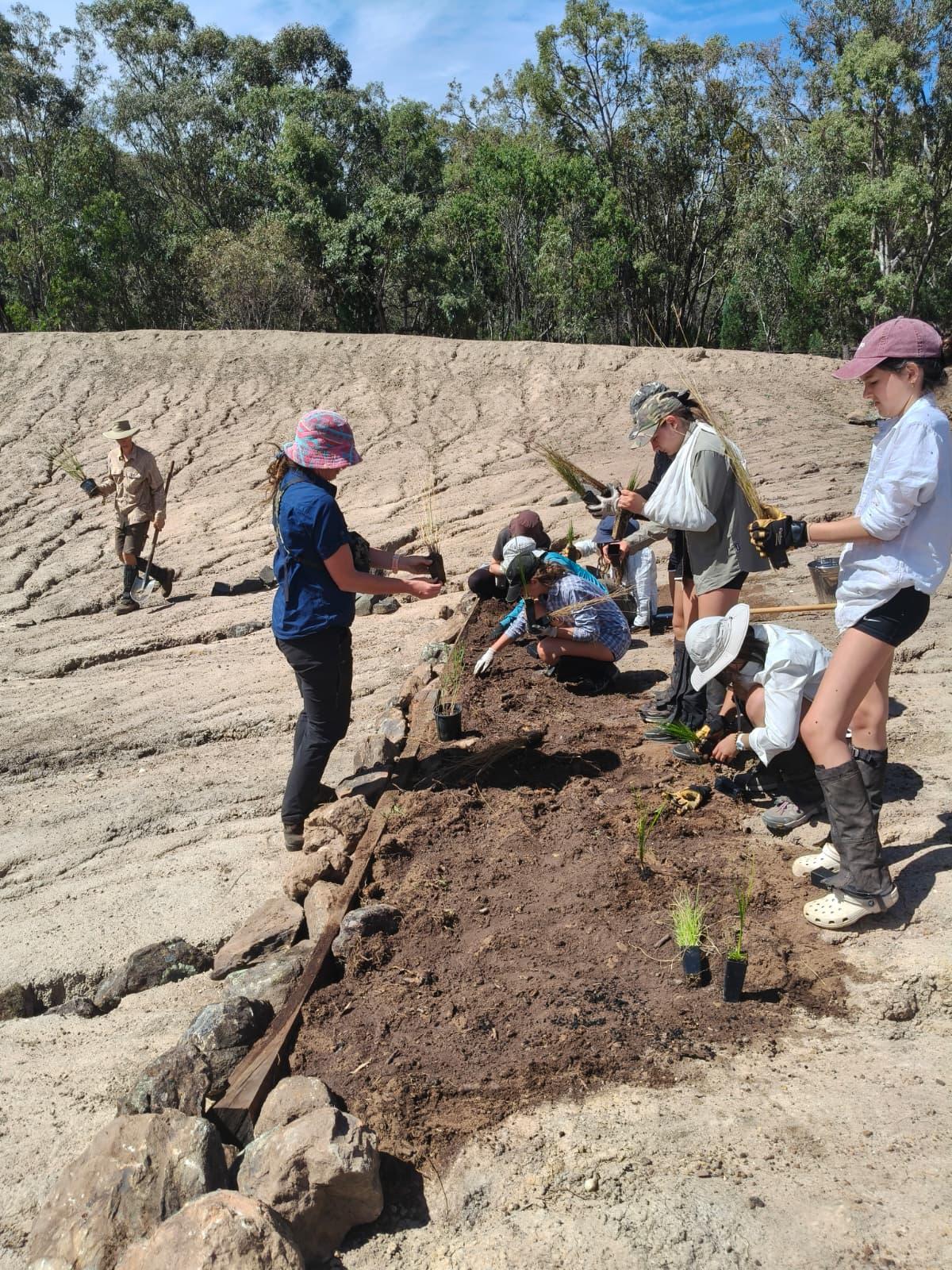
Beside an old dam, they began something braver still. They planted the first seedlings of what we hope will become a thriving wetland. Every small hand that pressed a seedling into the earth was making a promise to a future it may never fully see. Frogs, birds and dragonflies may one day call it home, long after these students have grown and gone. That is perhaps the oldest wisdom of stewardship: we plant for those who come after us.
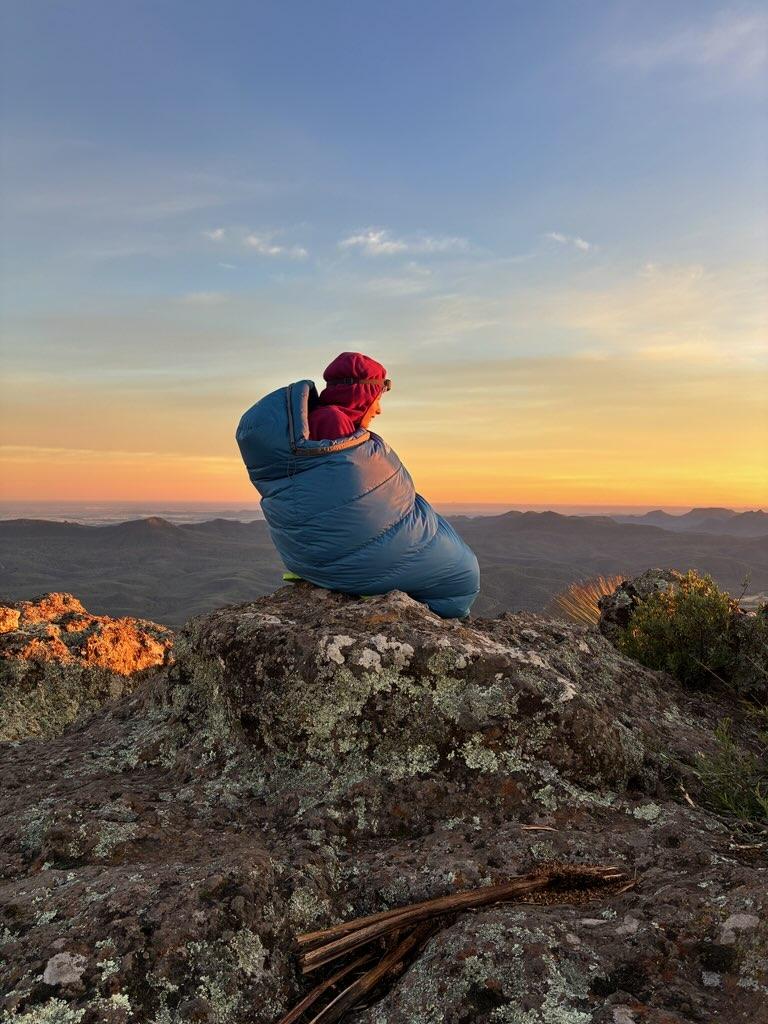
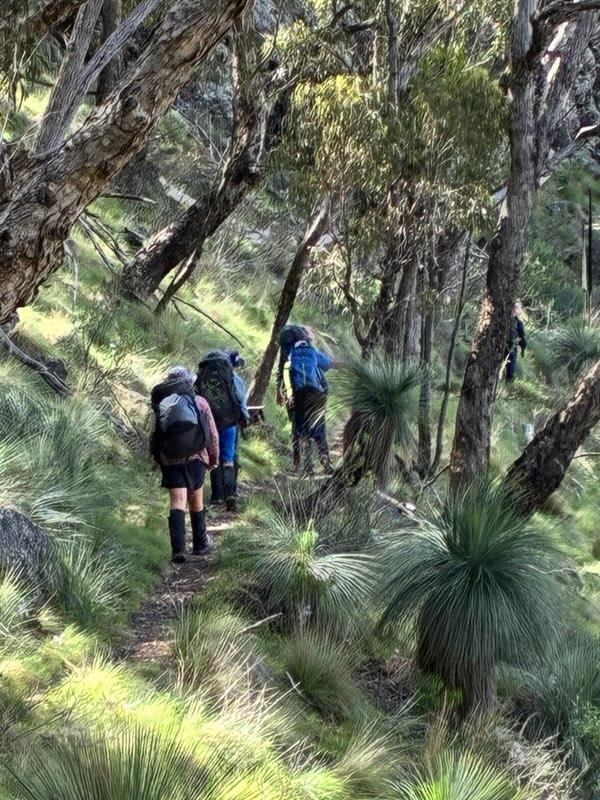
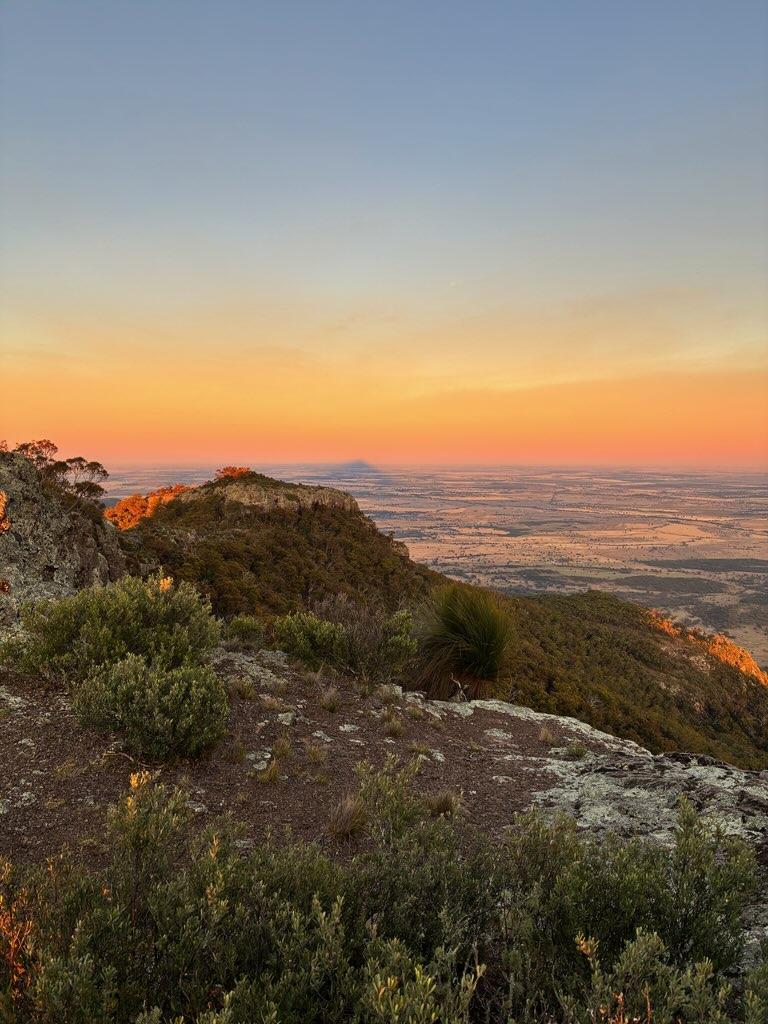
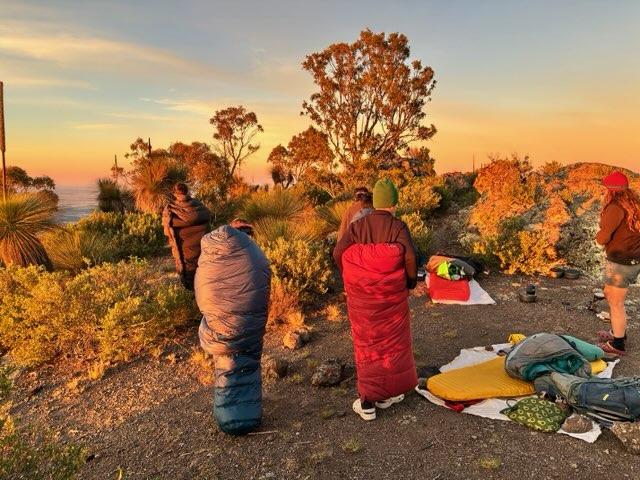
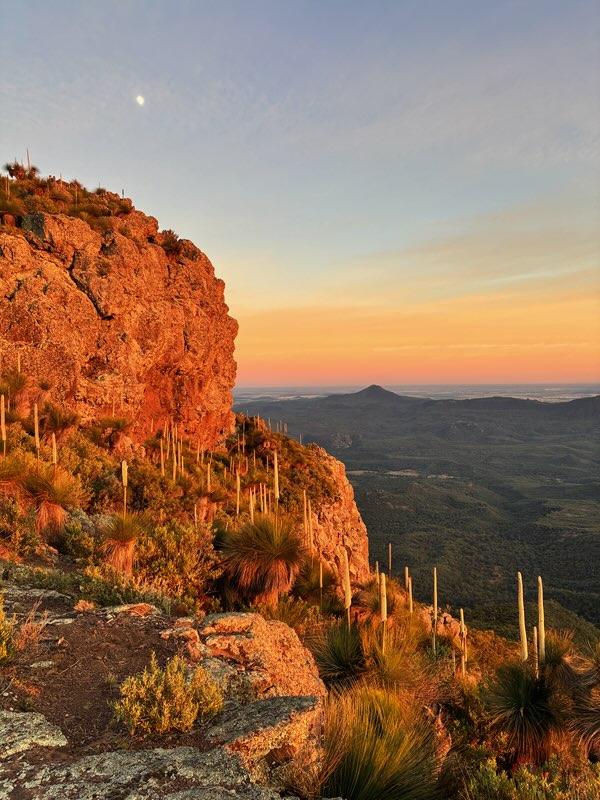
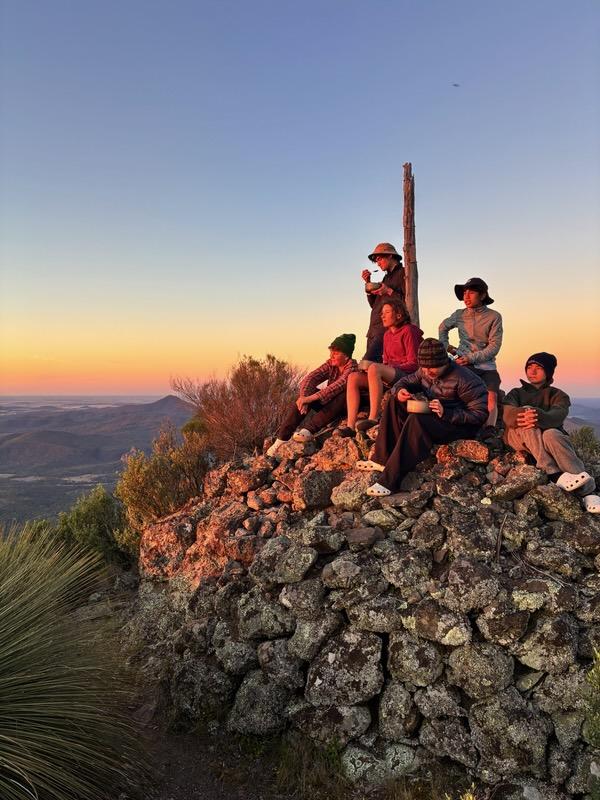
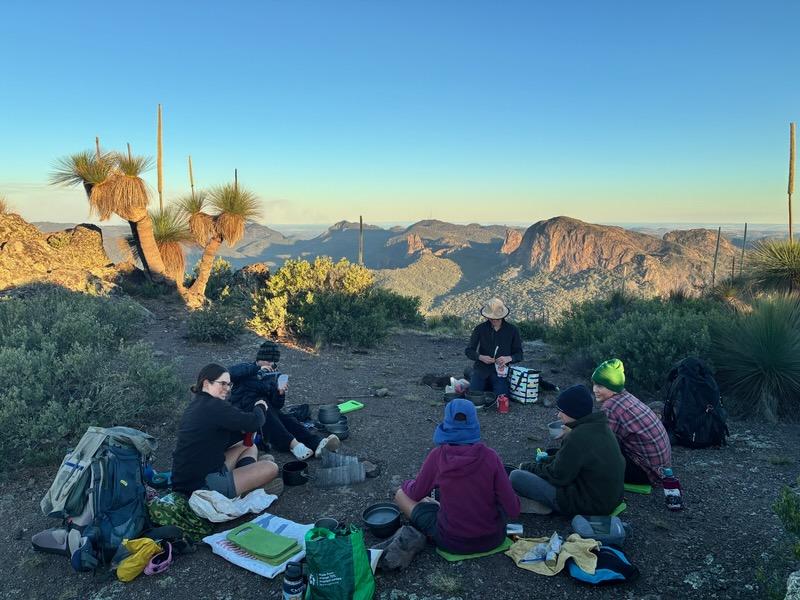
And then came the nights. In Warrumbungle National Park, after long days of walking and wondering, the students lay beneath a sky so full of stars it seemed to lean down and listen. In that vast, ancient quiet, things began to shift. These young people were no longer visitors to a place but a small part of something living, whole and worthy of reverence.
So, what does the land ask of us? Our Year 8s might answer that it asks us to pay attention, and to work with its rhythms and not against them. It asks for patience, and for gratitude, and for the courage to plant what we cannot yet see grow.
We are deeply proud of these students and of the care, curiosity and wonder they brought to this work. The seedlings are in the ground now, and the water is slowly finding its way.