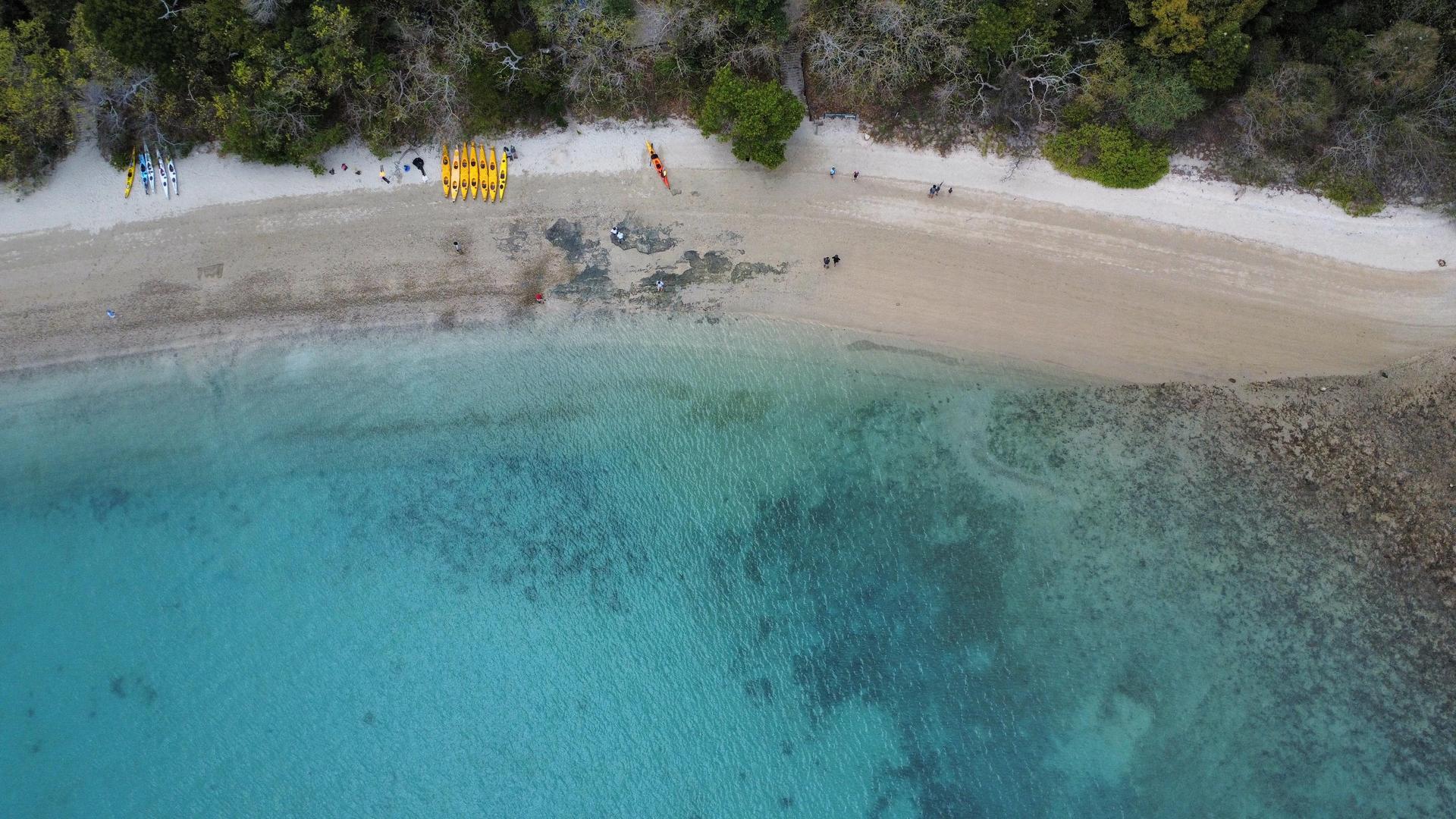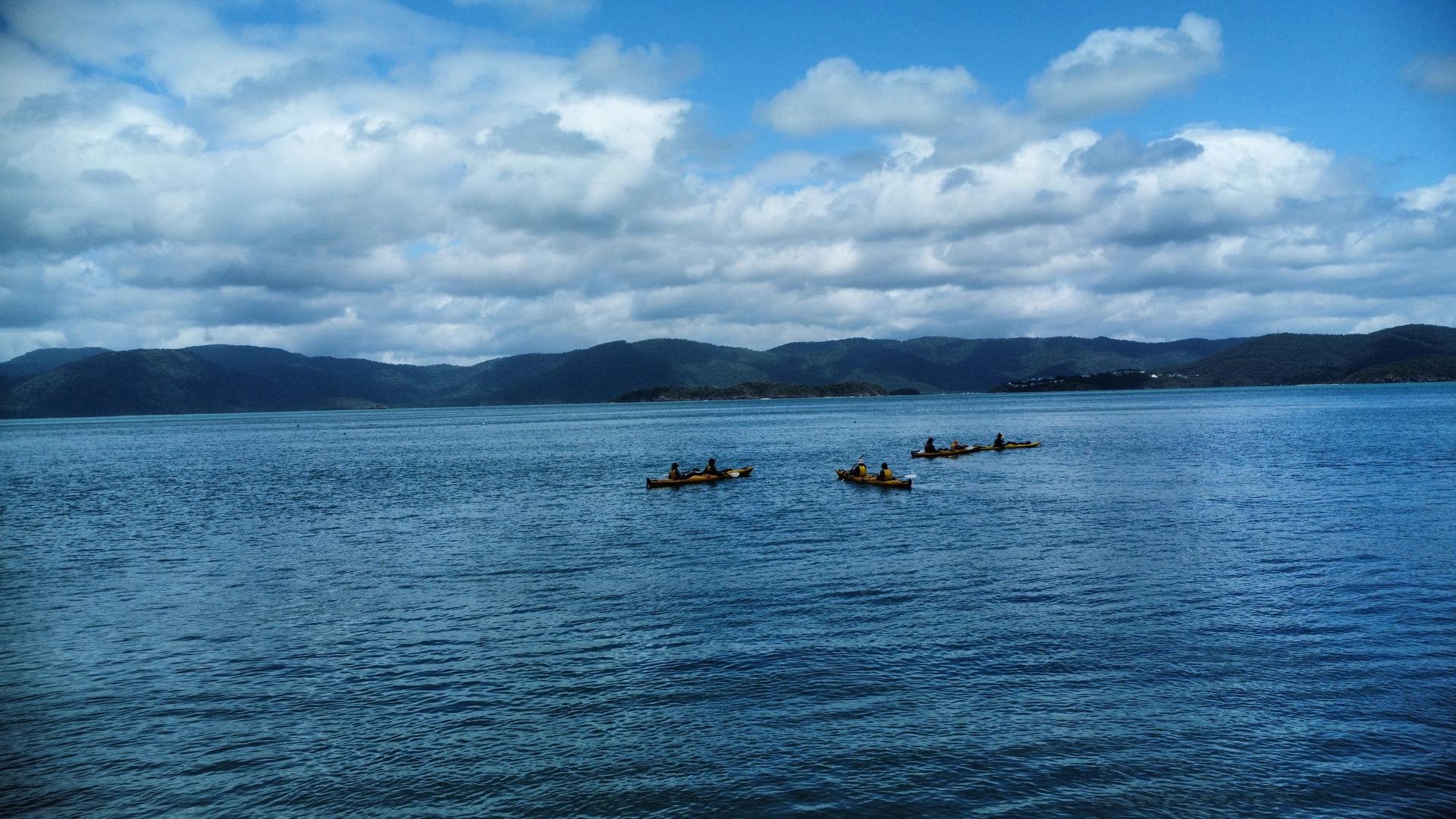
Spending time in a place like the Whitsundays offers far more than an outdoor adventure. For our group of 12 students, accompanied by instructors KG and Ben, the recent sea kayaking expedition became an opportunity to slow down, tune into the rhythms of the natural world, and experience life on nature’s timetable.
Throughout the journey, students quickly discovered that success on the water comes from working with the environment rather than against it. Each day was shaped by the movement of the tides, and the strength and direction of the wind, which delivered us some challenging conditions. Learning to read natural cycles helped students develop patience, adaptability and a deeper appreciation for the forces that have shaped these islands for thousands of years.
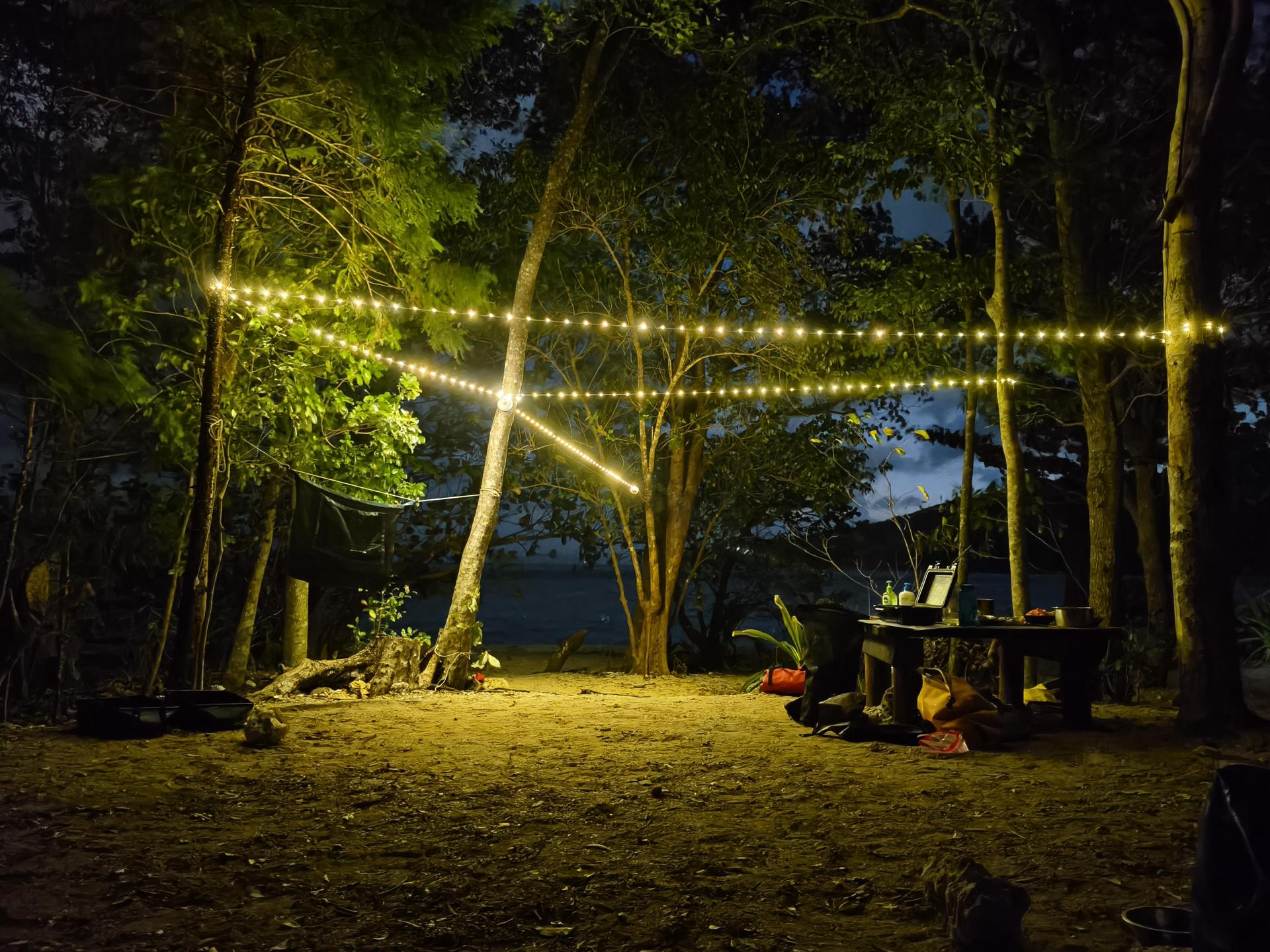
The Whitsundays provided a spectacular classroom. Students embraced the challenges of expedition life, supporting one another as they packed equipment, prepared meals and navigated across open water. Their resilience, teamwork and positive attitude were on display throughout the trip.
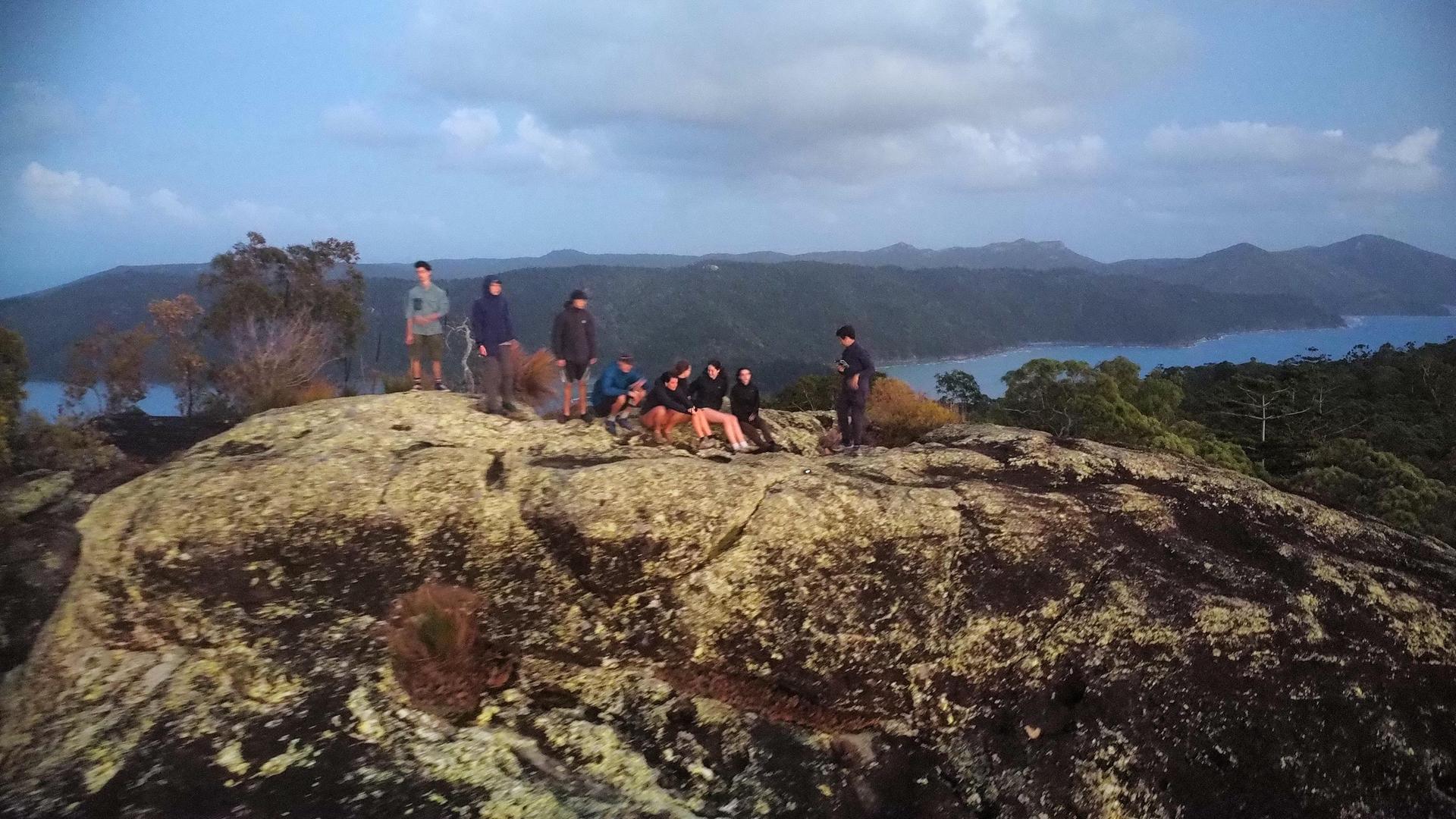
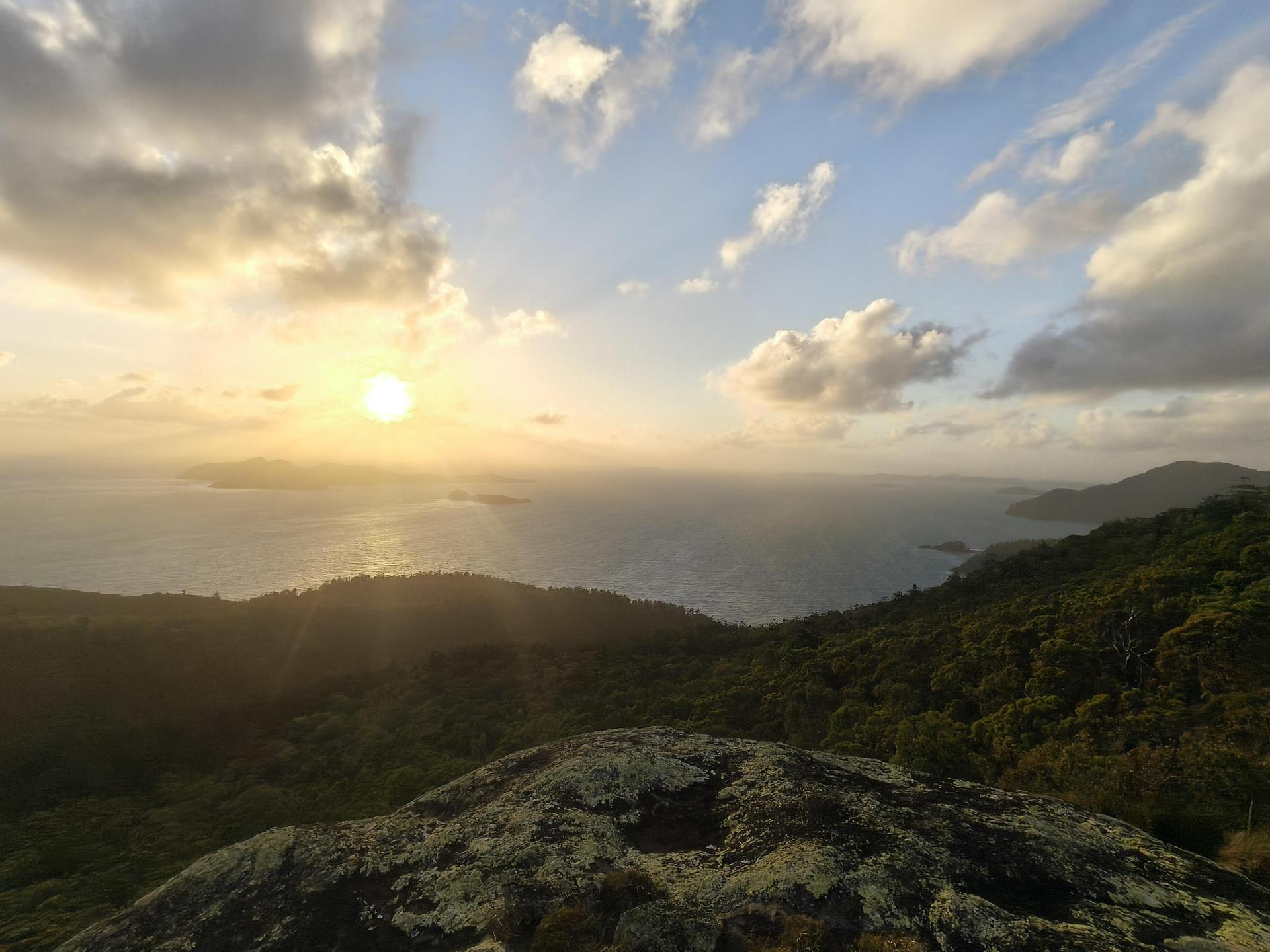
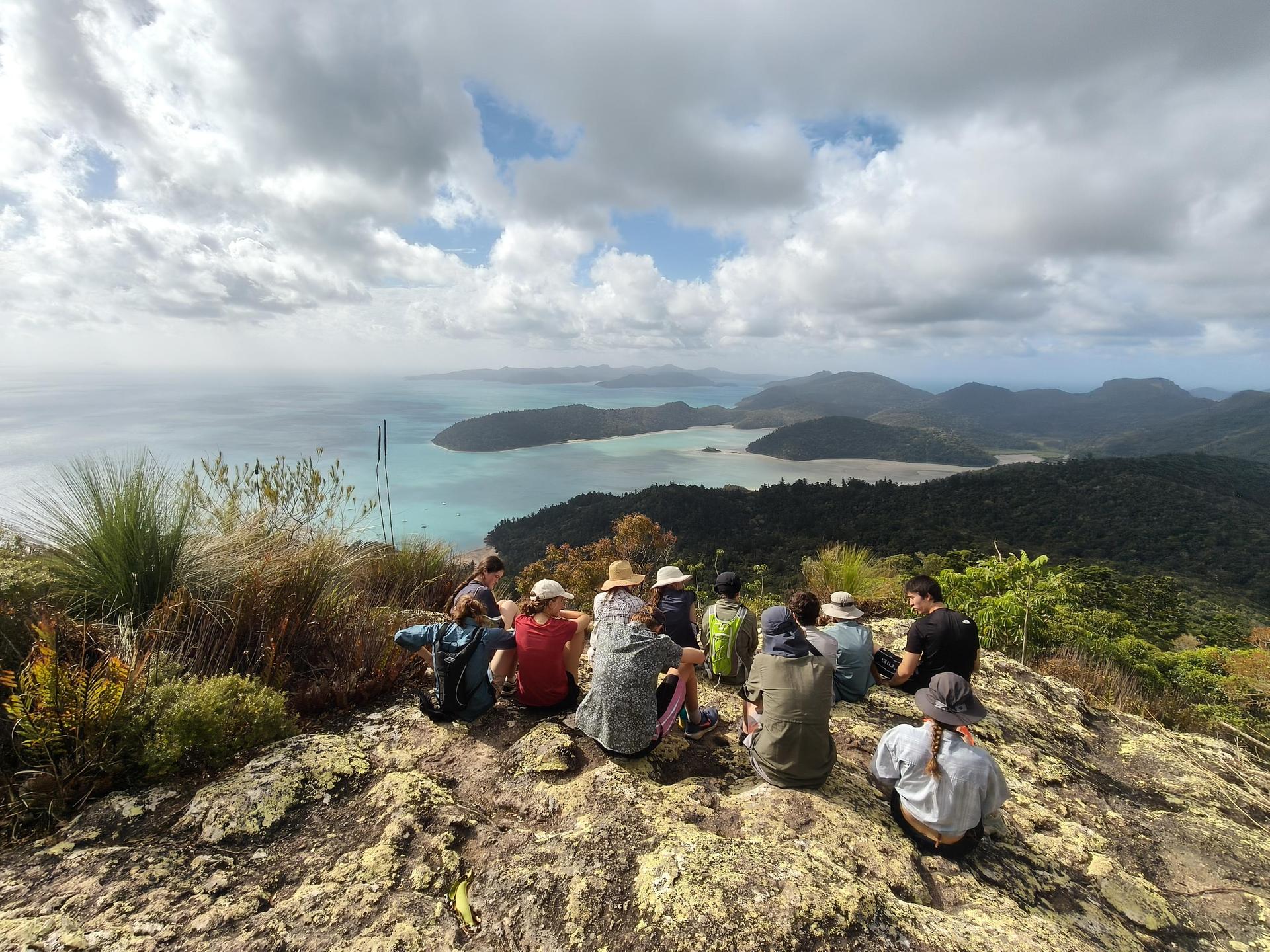
For the keen early risers, one of the highlights came before dawn. Rising while most of the camp still slept, small groups climbed out of their tents and made their way to viewpoints to watch the sunrise over the islands. As the first light spread across the horizon and illuminated the sea below, students were treated to a moment of stillness and beauty that few will soon forget.
While the kilometres paddled and campsites visited were certainly memorable, it was these quieter moments that often left the greatest impression. The expedition encouraged students to look up, slow down and notice the world around them, whether it was the changing weather, the rhythm of the waves, or the movement of the moon and sun across the sky.
We are incredibly proud of the way all 12 students approached the experience. Their willingness to embrace challenge, support one another and engage fully with the environment made the trip a resounding success. The Whitsundays offered many lessons, but perhaps the most valuable was learning to appreciate and work in harmony with the rhythms of the natural world.
Drone image credit: Ryder Dawkins