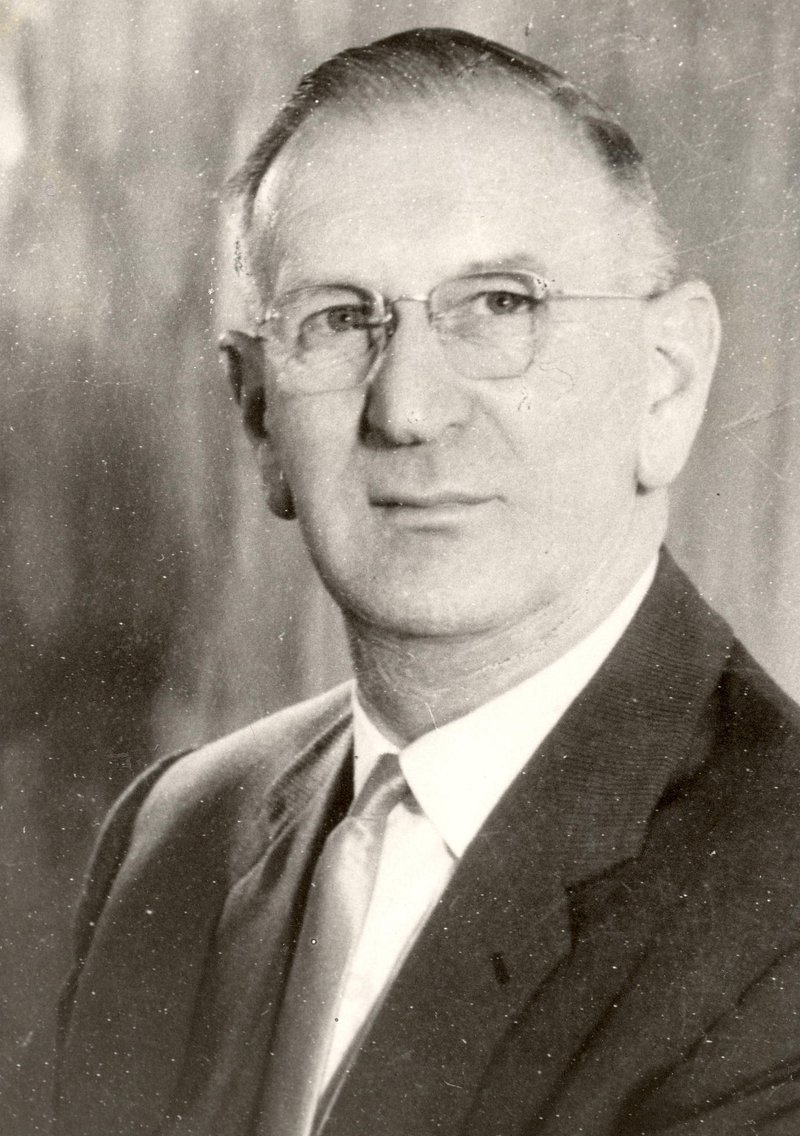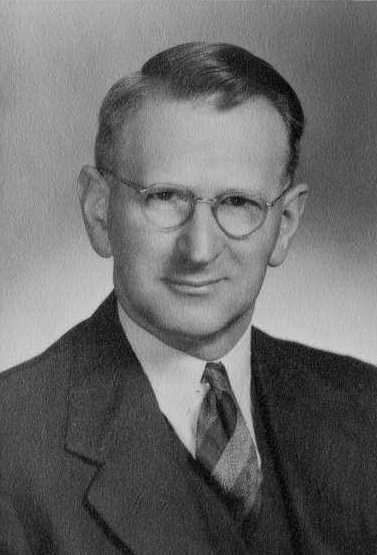
Last week on the 22 November, marked 60 years since the passing of Glenaeon’s founder and school architect Eric Milton Nicholls.
Born on the 10 January 1902 in the gold-mining town of Linton, Victoria, Eric showed remarkable determination from an early age. At just 12 years old, he began his chosen career in architecture, obtaining a junior technical certificate at Swinburne University of Technology, Melbourne and later completing architectural drawing and history studies at the Melbourne Technical College.
In 1920, as a young architecture graduate Eric joined the Melbourne practice of Walter Burley Griffin, American architect and designer of Australia’s capital city, and three years later became an associate of Griffin’s firm. When Walter and his wife Marion Mahony relocated to Sydney in 1925 to develop their visionary suburb of Castlecrag, Eric remained in Melbourne to manage Griffin’s office. While in Sydney, the Griffins were introduced to the Anthroposophical and Rudolf Steiner Society in Australia by way of their neighbour and society secretary, Edith Williams – a connection that would profoundly shape Eric’s future.
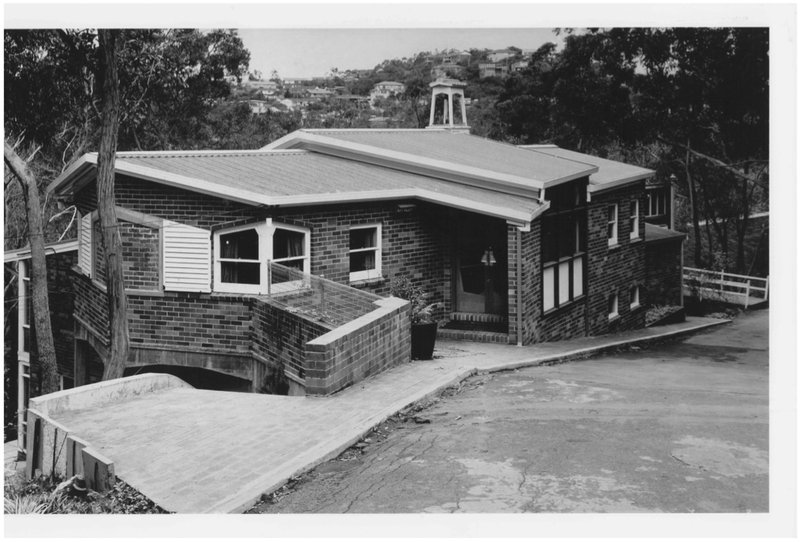
Following the Griffins, Eric and his wife Mary (Mollie) Nicholls moved to Castlecrag in 1930. Shortly after, Eric and Mollie were enthusiastically introduced to Anthroposophy by Marion Mahony and became society members in 1934. While in Castlecrag, Eric and Walter designed several buildings, including a series of incinerators across the Sydney basin with architectural features evidently inspired by Anthroposophy. Following Walter’s departure to India in 1935 to complete a commission to design a library in Lucknow, Eric later began his own architectural practice as E. M. Nicholls, which then expanded to Nicholls, Elliot and Nicholls. During this time, Eric’s architectural portfolio increased to include several projects such as 19 Castlecrag residencies, the Albert Chowne Memorial Hall, and Caltex House – Sydney’s first all-concrete skyscraper.
As Eric’s architectural projects grew, so too did his interest in forming a school based on the principles of Steiner education. This was further developed at an Anthroposophical Society meeting in 1951, attended by Eric Nicholls (now General Secretary), Syliva Brose, and other society members, where it was proposed that Sylvia would train in Waldorf Education in Edinburgh then return to Sydney to become the first teacher of a new Steiner school. Later, in June 1954, the Anthroposophical Society further committed to this endeavor, purchasing Glenaeon’s Middle Cove campus, then an undeveloped site of natural bushland. Due to development delays at Middle Cove, an additional school site – Dalcross Kindergarten in Pymble – was acquired in 1956. When Dalcross opened as a Steiner school in 1957, Eric became its founding chairperson, with Sylvia Brose teaching the first three pupils. Eric was also appointed school architect, designing and developing the new Middle Cove campus.
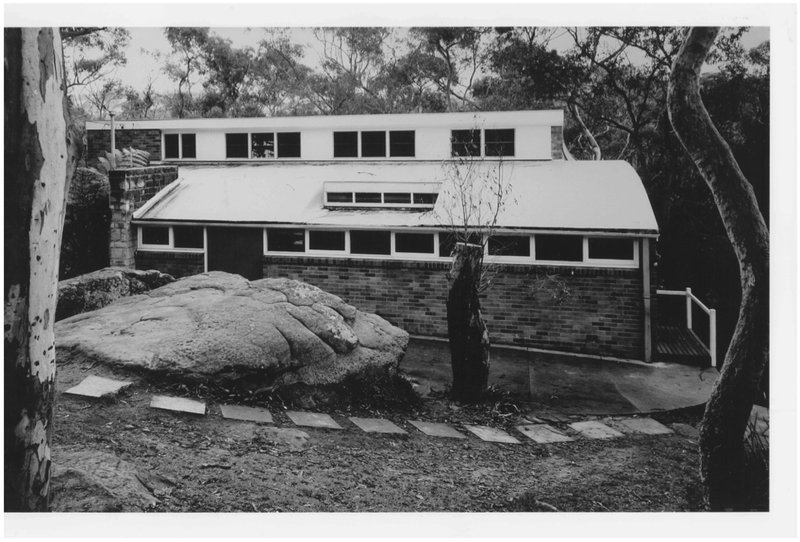
By the end of 1960, the first building at Middle Cove – now known as the Eric Nicholls Building – designed by Eric was completed. Eric went on to design two more buildings: The Alice Crowther Building (completed in 1963) and the Lute Drummond Building, which was nearing completion at the time of his death on 22nd November 1965, aged 63.
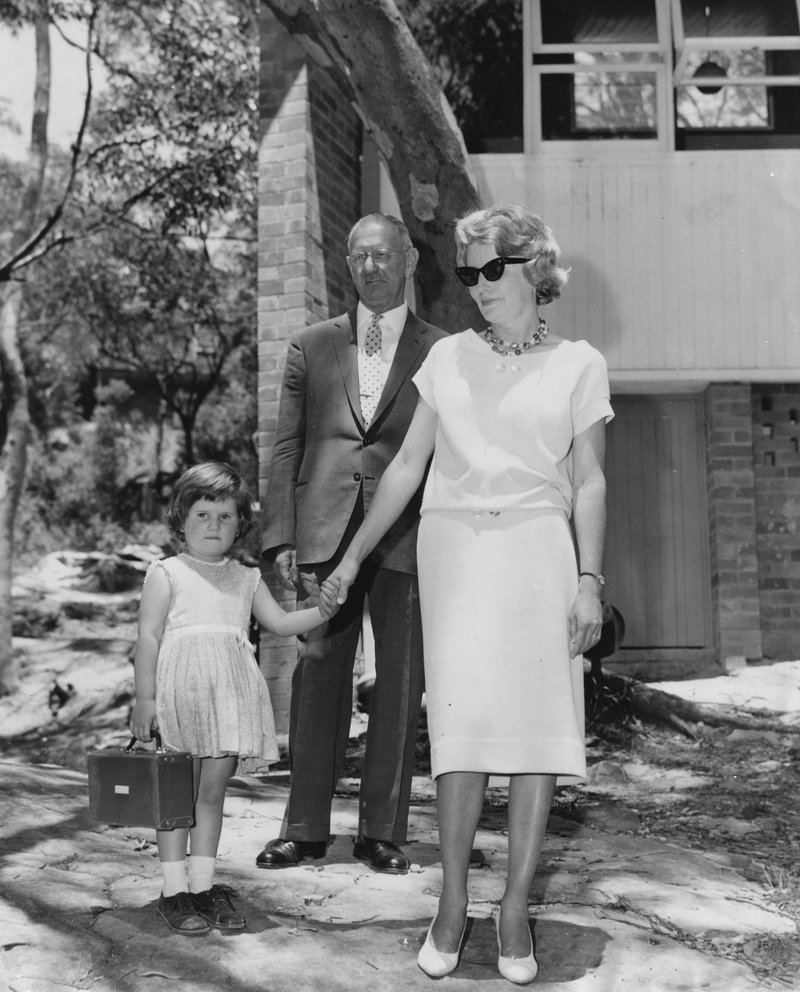
Eric Nicholls was a man of vision and conviction, whose ideals were matched by his energy and determination to bring them to life. Beyond his architectural vision, Eric invested significant time, personal funds, and resources into bringing Glenaeon to life. His commitment went far beyond design, working tirelessly to secure land, oversee construction, and ensure Glenaeon’s foundations were strong, both physically and philosophically. Without his generosity and dedication, Glenaeon as we know it today would not exist. At the time of his passing, Eric was also actively seeking land to establish an Anthroposophical medical clinic in Sydney, a project that might well have transformed the city’s cultural landscape. Today we remember Eric Nicholls not only for the breadth of his architectural achievements, but also for the depth of his commitment to Steiner education, Anthroposophical thinking, and community.